
As the weather warms and our families spend more time outdoors, we often forget that nature shares its space with tiny, unseen guests. Among the most concerning of these is the black-legged tick, the primary carrier of Borrelia burgdorferi—the bacterium responsible for Lyme disease.
At The Center for Natural & Integrative Medicine, we see many patients who come to us feeling frustrated and fatigued. Often, their journey began with a simple tick bite that went unnoticed or untreated. Understanding the early signs and taking swift action is the most effective way to protect your long-term health.
Recognizing the Early Symptoms of Lyme Disease
The hallmark sign of a Lyme infection is the erythema migrans (EM) rash, often described as a “bullseye.” However, it is a common misconception that everyone with Lyme will develop this specific mark. In fact, many patients develop a solid red rash or no rash at all.
Early symptoms typically appear within 3 to 30 days and often mimic the flu. You should be vigilant for:
- Extreme fatigue that does not improve with rest.
- Chills and fever.
- Headaches and neck stiffness.
- Muscle and joint aches.
- Swollen lymph nodes.
When these symptoms appear outside of the typical flu season, or after spending time in wooded or grassy areas, it is vital to seek a professional evaluation.
Why Acting Quickly Matters
Lyme disease is often called “The Great Imitator” because, if left untreated, it can migrate to different parts of the body and mimic a variety of other conditions. When the bacteria move into the nervous system or joints, the condition becomes much more difficult to treat.
For many, untreated Lyme can evolve into Lyme and Chronic Infections that persist for months or even years. This late-stage progression can lead to Autoimmune Diseases, where the body’s immune system becomes overactive and begins attacking its own tissues. By addressing the infection in its acute phase, we can support the body’s defenses before the bacteria have the chance to “hide” in deep tissues or the central nervous system.
Prevention Tips for You and Your Family
The best treatment for Lyme disease is prevention. While you don’t have to avoid the great outdoors, taking a few proactive steps can significantly lower your risk:
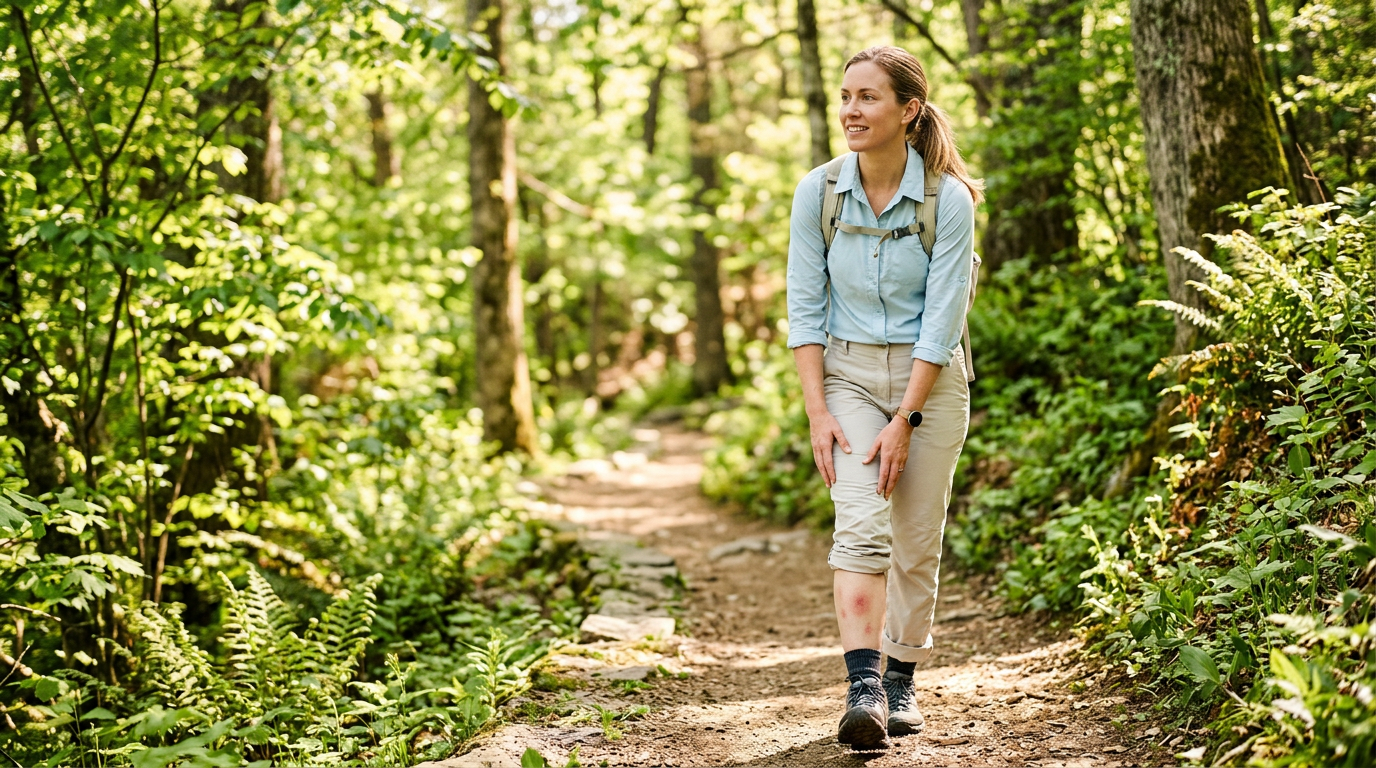
1. Dress Defensively: If you are hiking or gardening, wear long sleeves and tuck your pants into your socks. Light-colored clothing makes it easier to spot dark ticks before they reach your skin.
2. Use Natural Repellents: Essential oils like lemon eucalyptus, cedarwood, and peppermint can act as a natural deterrent for ticks.
3. Perform Daily Tick Checks: After coming inside, check yourself, your children, and your pets. Pay close attention to hidden areas like the backs of the knees, the hairline, and under the arms.
4. Shower Early: Research suggests that showering within two hours of coming indoors can wash off unattached ticks and provides a good opportunity for a full-body check.
An Integrative Approach to Healing
In our practice, we believe in Integrating the best of conventional with natural medicine. This “bridge” to healing is especially important for Lyme disease. While antibiotics may be necessary to address the initial bacterial load, we also focus on strengthening the patient’s underlying terrain.
We look at the whole person—addressing gut health, mitochondrial function, and immune resilience. For patients struggling with the lingering effects of tick-borne illness, Naturopathic Medicine offers a path to restoration. We utilize various modalities, ranging from specialized Nutritional Counseling to targeted Peptide Therapy which can help stimulate specific cellular responses to aid in recovery and reduce inflammation.
Moving Toward Recovery
Lyme disease can feel overwhelming, especially if you have been struggling with mysterious symptoms for some time. However, there is always hope for healing. By combining early detection with an Integrative Medicine approach, we can address the root cause of your symptoms and help you reclaim your vitality.
If you suspect you have been exposed to Lyme or are experiencing chronic fatigue and joint pain that won’t go away, please reach out to us. We are here to listen, to validate your experience, and to provide a comprehensive roadmap to health.
Conclusion
Lyme disease is a complex condition that requires a watchful eye and a proactive heart. By practicing diligent prevention and recognizing the early warning signs, you can enjoy the beauty of nature with peace of mind. Remember, the sooner we support your body’s natural ability to heal, the brighter your path to wellness will be.